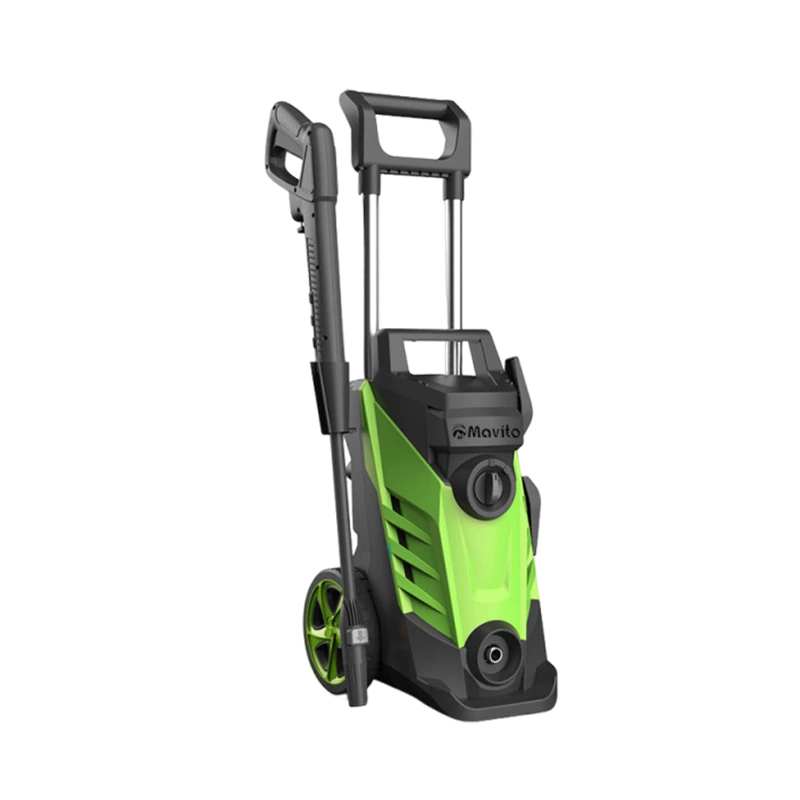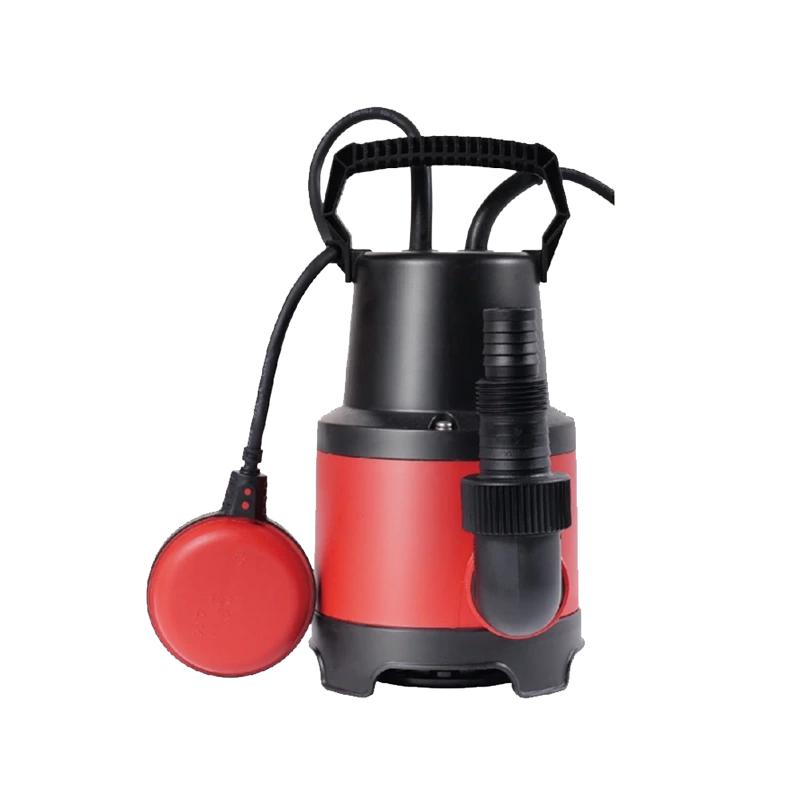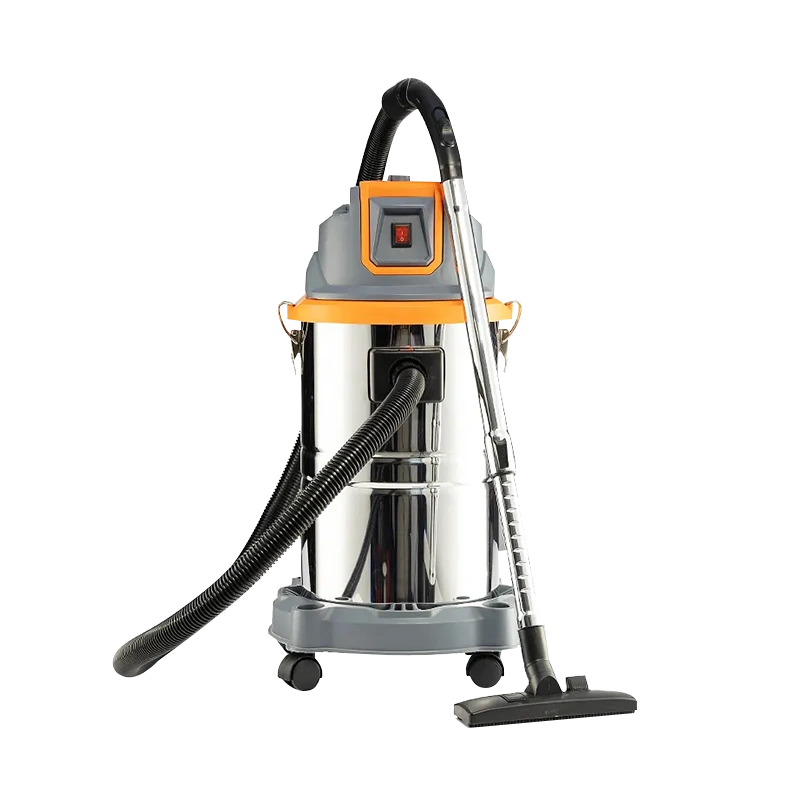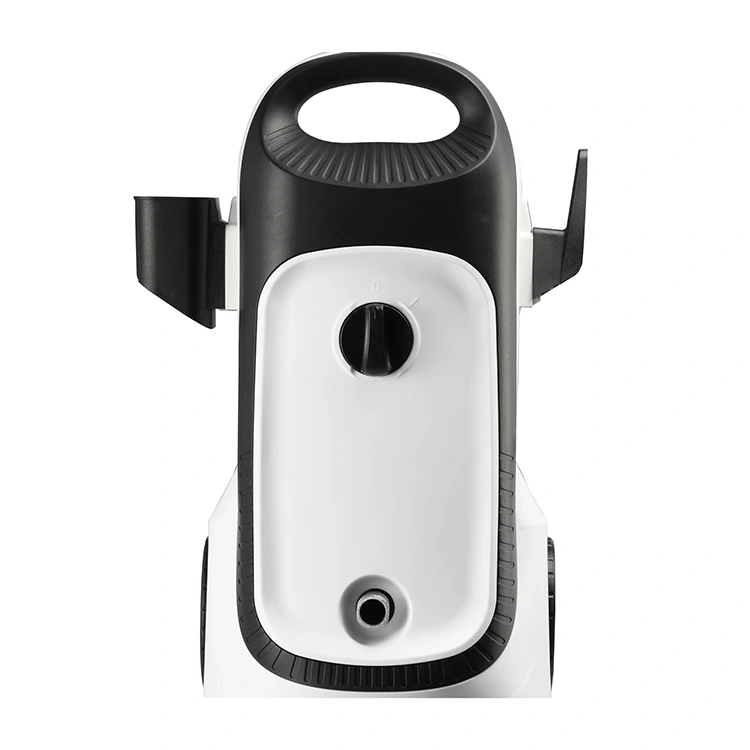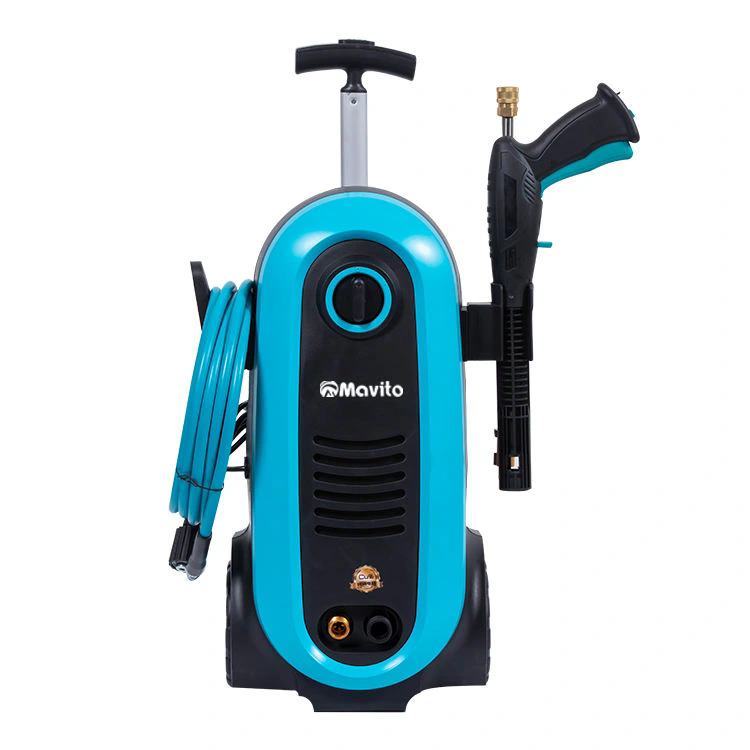
A Pressure Washer Machine is one of the most efficient cleaning tools used across residential, commercial, and industrial environments. This article explores how it works, why it outperforms traditional cleaning methods, and how to choose the right model for your needs. We also address common user challenges such as pressure selection, maintenance, and cost-effectiveness. Whether you're a homeowner or a professional buyer, this guide from Mavito delivers practical insights to help you make informed decisions.
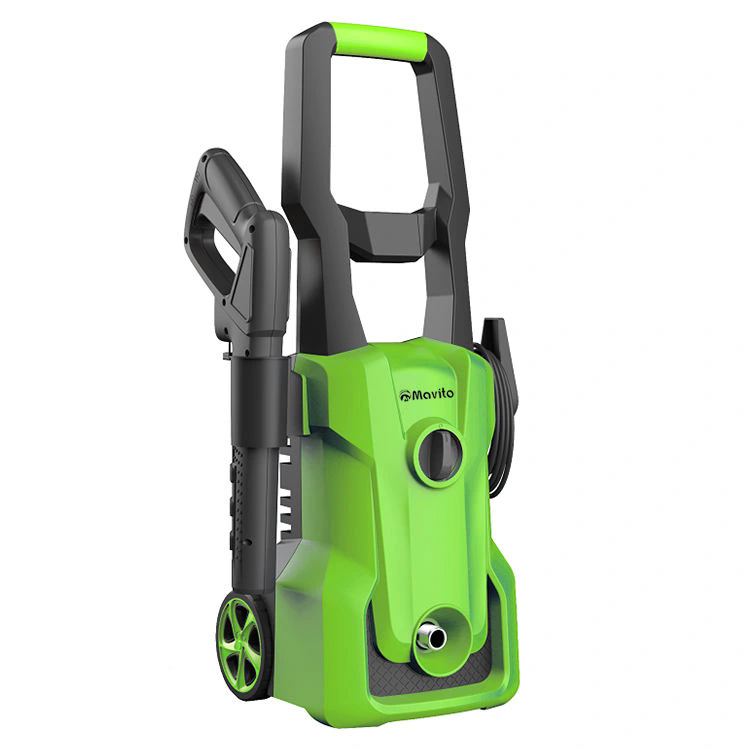
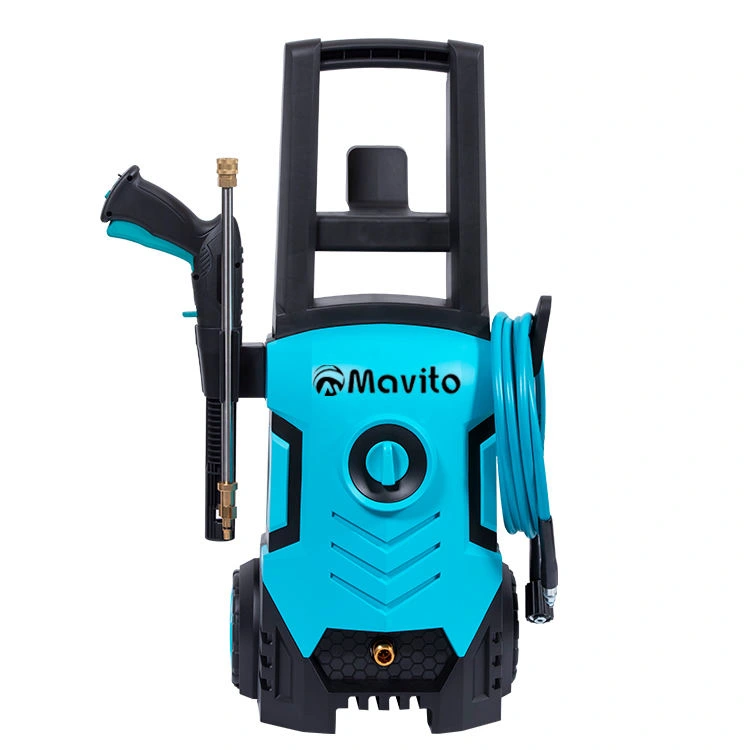
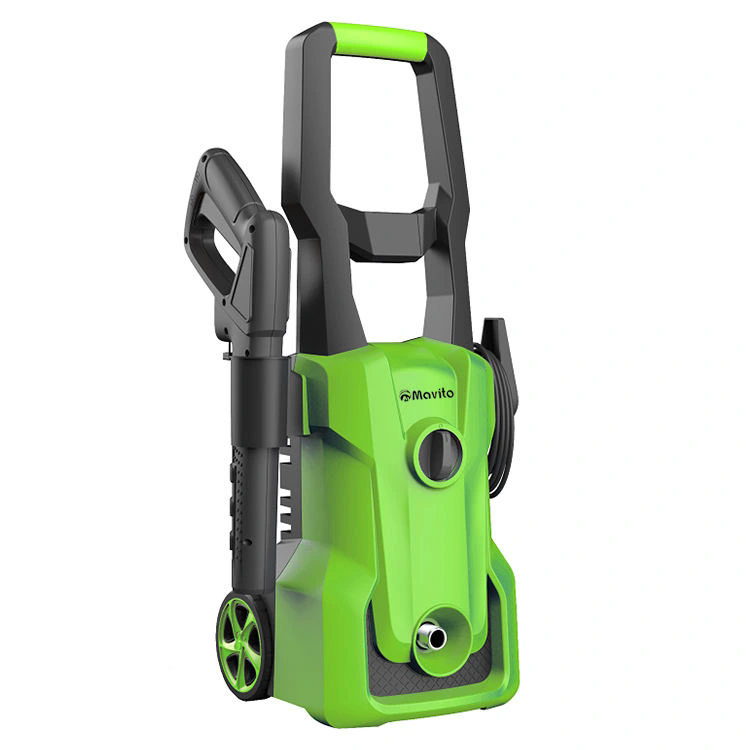
A Pressure Washer Machine is a high-powered cleaning device that uses pressurized water to remove dirt, grease, mold, and other contaminants from surfaces. Unlike standard hoses, it amplifies water pressure significantly, enabling faster and deeper cleaning.
Customers often struggle with stubborn stains, time-consuming cleaning tasks, and inefficient tools. A pressure washer directly addresses these pain points by combining mechanical force and water flow efficiency.
At its core, a Pressure Washer Machine operates by increasing water pressure through a motor-driven pump. The process can be broken down into four main steps:
This concentrated stream is capable of removing debris that would otherwise require harsh chemicals or manual scrubbing.
Each component must be properly engineered to ensure durability and consistent performance, especially in demanding environments.
Choosing the right type depends on your application:
A Pressure Washer Machine offers multiple advantages:
Applications include:
Selecting a suitable Pressure Washer Machine involves evaluating several factors:
For example, homeowners typically require 1300–2000 PSI, while industrial users may need over 3000 PSI.
Explore professional-grade solutions here:
Pressure Washer Machine Product Page
| Type | Power Source | Best For | Pros | Cons |
|---|---|---|---|---|
| Electric | Electricity | Home use | Lightweight, low noise | Limited power |
| Gas | Gasoline | Heavy-duty tasks | High power, portable | Higher maintenance |
| Hot Water | Electric/Gas | Oil/grease cleaning | Superior cleaning efficiency | Higher cost |
| Cold Water | Electric/Gas | General cleaning | Cost-effective | Less effective on grease |
Routine maintenance significantly extends the lifespan and ensures optimal performance.
1. What PSI is suitable for home use?
Typically between 1300 and 2000 PSI is sufficient for most household tasks.
2. Can a pressure washer damage surfaces?
Yes, using excessive pressure or the wrong nozzle can harm delicate materials.
3. How often should maintenance be performed?
Basic checks should be done after each use, with deeper maintenance monthly.
4. Is hot water always better?
Not necessarily. It is more effective for grease but not required for general cleaning.
5. Why choose Mavito?
Mavito provides reliable, high-performance Pressure Washer Machine solutions designed for durability and efficiency across multiple industries.
Understanding how a Pressure Washer Machine works allows users to maximize efficiency, reduce costs, and achieve superior cleaning results. From selecting the right specifications to maintaining the equipment properly, every step contributes to long-term value.
If you are looking for dependable and high-quality pressure washer solutions, Mavito offers a wide range of products tailored to your needs. Contact us today to find the perfect solution for your cleaning challenges.