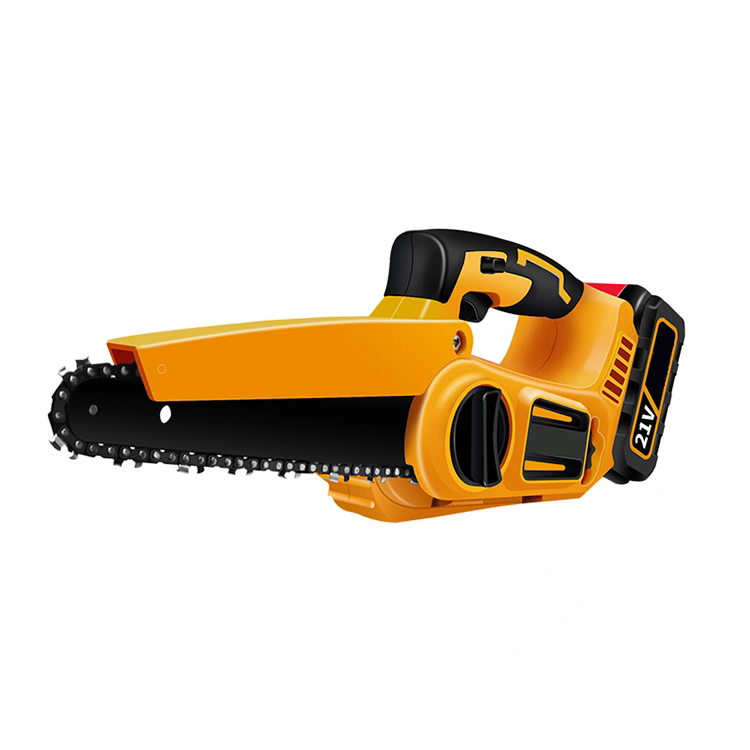
Summary: Cordless electric saws have revolutionized both DIY enthusiasts’ and professionals’ approach to cutting tasks. Compact, efficient, and versatile, these tools allow precise work without the hassle of cords or constant power supply concerns. This article explores how cordless electric saws work, their benefits, types, usage tips, and common questions to help you make the best choice for your needs.
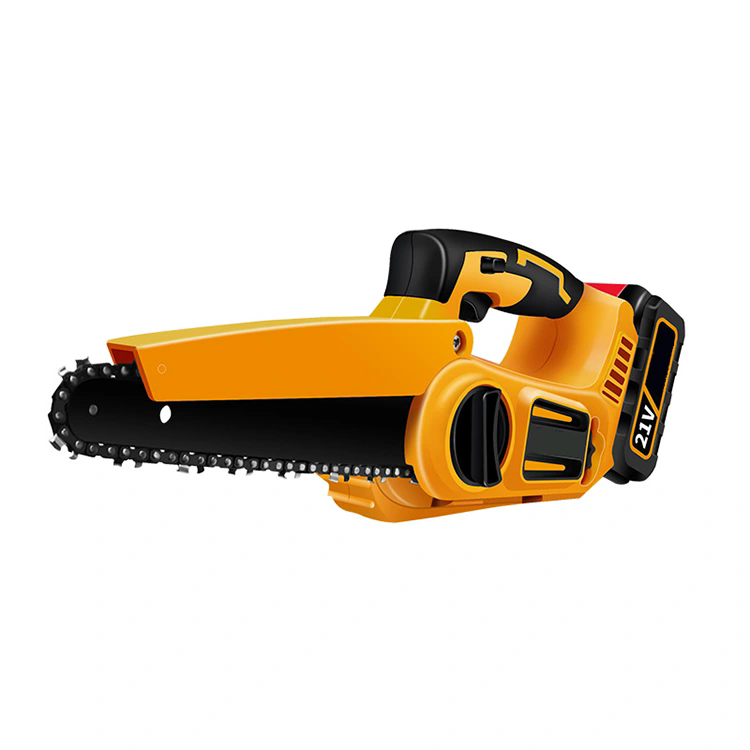
Cordless electric saws provide several advantages over traditional corded models:
Whether for wood, plastic, or lightweight metal cutting, cordless saws offer flexibility that enhances productivity and user experience.
There are several types, each tailored for different cutting tasks:
| Type | Main Uses | Advantages |
|---|---|---|
| Circular Saw | Straight cuts on wood, plywood, and MDF | High cutting speed, accurate depth adjustments |
| Reciprocating Saw | Demolition, metal pipes, pruning | Versatile, easy blade changes, rough cuts |
| Jigsaw | Curved or intricate cuts on wood and metal | Precision, maneuverable, lightweight |
| Mitre Saw | Angled cuts, moldings, and trim work | High accuracy, adjustable angles |
When selecting a cordless electric saw, keep the following features in mind:
To maximize performance and safety, follow these tips:
Following these practices not only improves cutting accuracy but also prolongs the lifespan of your saw.
Proper care ensures your cordless electric saw remains reliable:
By maintaining your tool properly, you can avoid common issues like overheating, blade dulling, or battery degradation.
Q1: How long does a cordless electric saw battery last?
A: Most lithium-ion batteries last between 30 to 90 minutes of continuous use, depending on voltage and saw type. It's recommended to have a spare battery for uninterrupted work.
Q2: Can I use a cordless saw for heavy-duty cutting?
A: While cordless saws are highly versatile, for extremely thick or hard materials, higher voltage or corded models may be more efficient. However, modern cordless saws with 20V+ batteries perform well for most tasks.
Q3: How do I safely change blades?
A: Always disconnect the battery before changing blades. Use the provided wrench or locking mechanism to secure the new blade.
In summary, a cordless electric saw is an indispensable tool for anyone looking to enhance productivity, safety, and convenience in cutting tasks. For a wide selection of high-quality cordless electric saws, visit Mavito's product page. For personalized guidance and purchasing options, contact us today and elevate your cutting projects with reliable cordless solutions.